Deq: Surveying the Traditional Tattoos of Iraq
Traditional tattoos in Iraq, locally referred to as "Deq", has been a significant component of the intangible cultural heritage there for centuries. However, these tattoos are facing a rapid decline, underscoring the urgent need for their preservation and documentation. Historically, tattoos were predominantly practiced by women, carrying symbolic, social, and cultural meanings linked to identity, health, protection, belonging, and more. The practice is now rarely passed down to younger generations due to a combination of social stigma, political shifts, and generational disruption, which has led to it being listed at a high risk of extinction.
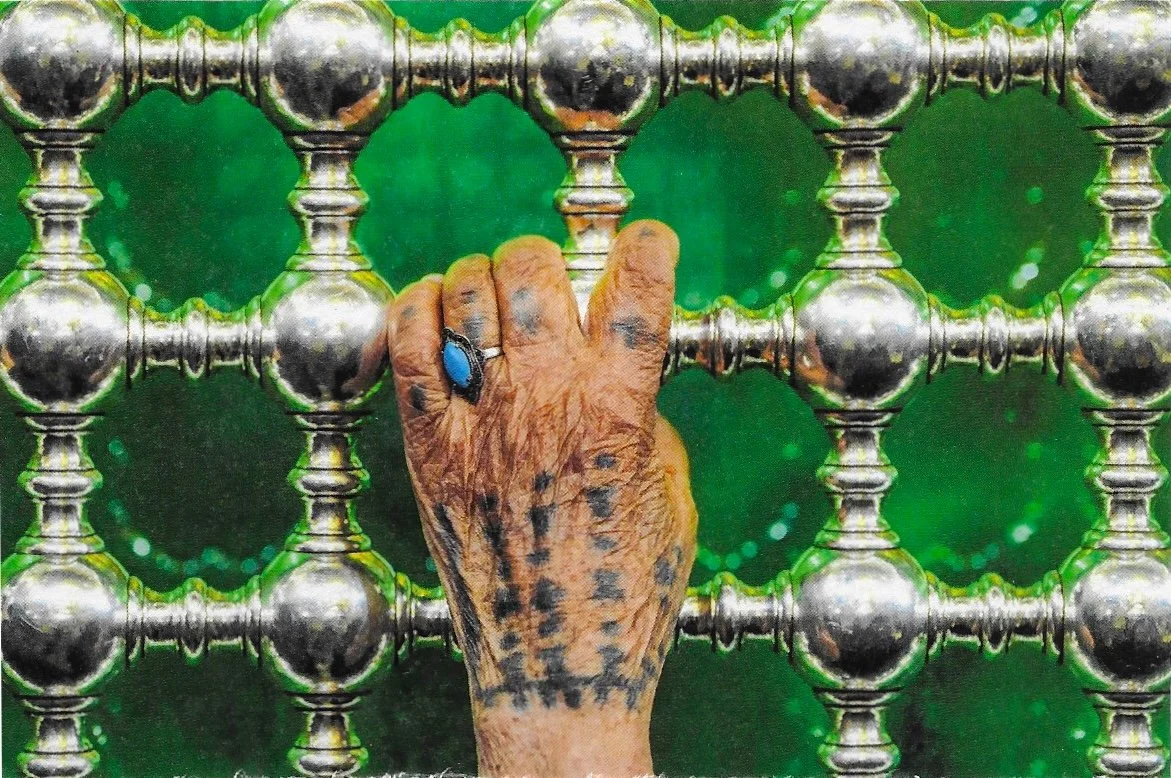
2024 Deq Study Exhibition Photo
Beginning early in 2024, the objective of this project was to document and preserve traditional "Deq” tattoos, focusing initially in the Babylon Province, through systematic fieldwork, oral history collection, visual documentation, and archival research. The project centered on tattooed individuals, predominantly women over the age of 60, as the key carriers of living memory, directly supporting urgent safeguarding before this heritage disappears. The team, after a critical training on proper and ethical techniques, undertook the core of the project - a survey with structured interviews, audio recordings, sketches, and limited photography, along with the digitization of collected data (appropriate informed consent being granted). By the end of 2025, the project successfully documented hundreds of testimonies across multiple districts, thereby exceeding its initial targets. The initiative produced a comprehensive digital archive, academic lectures, and two public exhibitions that reintroduced Deq as a valued cultural practice. The project has contributed to the safeguarding of intangible heritage, the empowerment of women as knowledge holders, and the strengthening of cultural pride. Additionally, it laid the foundations for future research and public engagement.
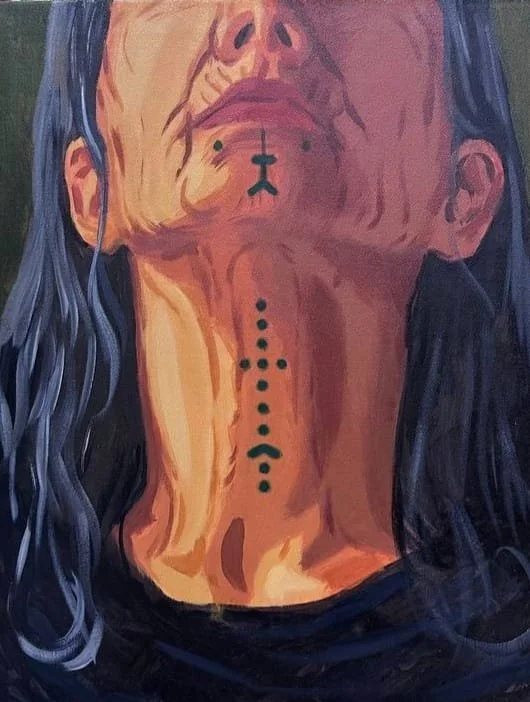
Painting depicting Deq survey participant
As with all of TARII’s projects in Iraq, the team was comprised of local Iraqi scholars, experts, and other implementers. This team included interviewers (predominately women out of respect for sensitivities), photographers and illustrators, and heritage scholars. They conducted a comprehensive study of approximately 1,051 tattooed individuals. This occurred in spite of the rising scarcity of conventional tattoo holders. The total number of documented tattoos and symbols from the 2024 and 2025 seasons exceeds 2,000 samples.
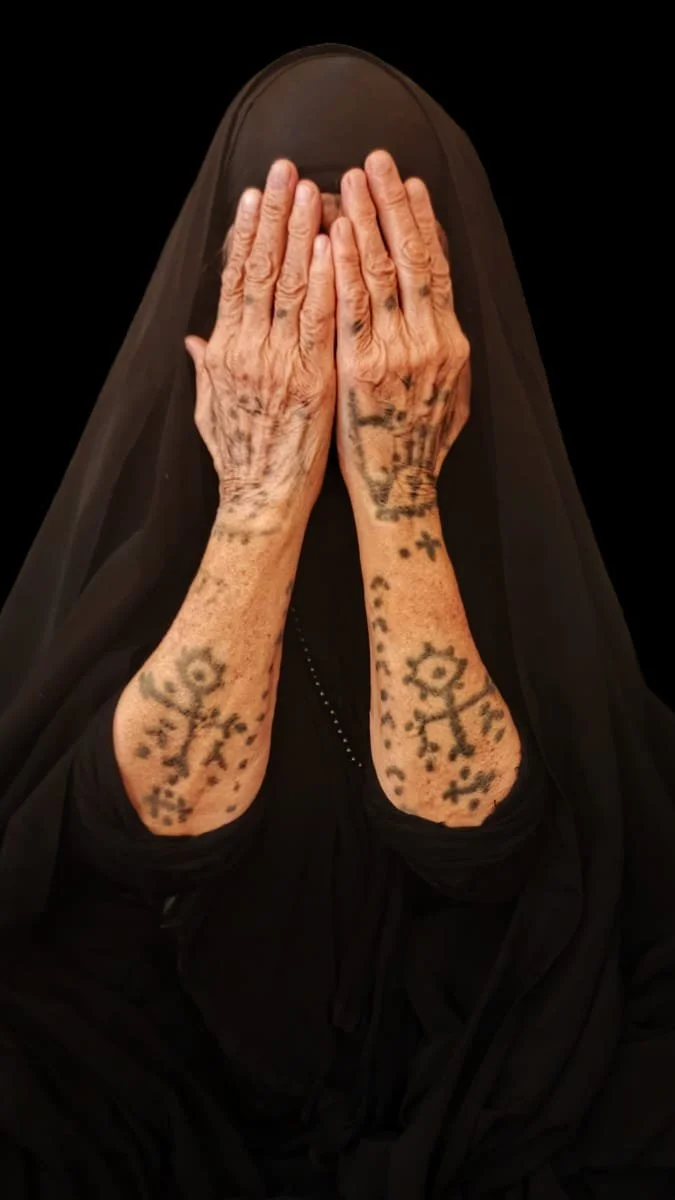
Survey photo from 2025 season
The survey extended beyond Babylon to multiple governorates (including Al-Diwaniyah, Al-Samawah, Al-Nasiriyah, Basra, Al-Amarah, Al-Kut, Baghdad, Diyala, Najaf, Karbala, Samarra, and Mosul), as well as from individuals residing in Khuzestan (Ahwaz), Iran, providing a broad geographic picture of tattoo patterns and their distribution. Most samples were from women, consistent with social realities, and encompassed a diverse range of symbols, body placements, and materials, thereby enabling the creation of a rich database. Some of the tattoo designs were similar across regions, while others bore unique cultural characteristics of the location or heritage of the tattooed person.
The project went beyond visual recording to document meanings and functions—aesthetic, social, spiritual, and magical—using photographs, audio interviews, and systematic written documentation. The material was then organized into a database following an academic methodology and supported by relevant literature, ensuring reliability and future research value.
A major unexpected achievement was collecting the samples from Arab women in Iran’s Khuzestan (Ahwaz) community, where tattoo patterns closely matched those in southern Iraq in symbols, materials, and motivations. This cross-border finding strengthens the case for shared cultural continuity between southern Iraq and Ahwaz.
Outreach, transparency, and communication are also of great importance to TARII. In 2024, an exhibition was held in Baghdad for the first season with a second exhibition at Al-Mustaqbal University (Babylon) in December 2025. The lead researcher also gave an open academic lecture at the university to share the study and results with the local community. TARII will organize several additional lectures, to be held in Baghdad, Karbala, and Nineveh in the future. Artworks and materials from the exhibition will be on display in the future at the TARII Centers and offices in Iraq.
Future plans include another survey season and expanding the survey area further, conducting an anthropological review of the collected materials, and a publication.
This study has been fully funded and supported by the British Council’s Cultural Protection Fund.

